
We risk losing all the penguins on the planet in the coming years — they simply won't be left. And the scariest part is that it's all because of humans! We've destroyed their habitat, obliterated their food base, and on top of all that, during moments of climate anomalies, penguins just can't adapt fast enough to survive.
Some time ago, I published materials about the shores of South America and Africa being littered with penguin corpses. There was no solid data on this, just indirect assumptions. For instance, the stomachs of dead penguins on the coasts of Chile and Argentina were found empty. However, authorities in official reports assured that the cause was bird flu, which is gradually being transmitted from birds to other animal species.
But this alarmed me back then, especially when I learned that scientists who voiced the facts about the penguins' empty stomachs were being pressured. Something like "don't deviate from the official narrative unless you want to lose your job".
And so at the beginning of December 2025, a new scientific study was published in which scientists confirmed the worst fears: penguin populations are rapidly declining precisely due to starvation. In this study, scientists also provide specific reasons for the reduction of the food base, as you've already understood, it's all due to destructive human activity.
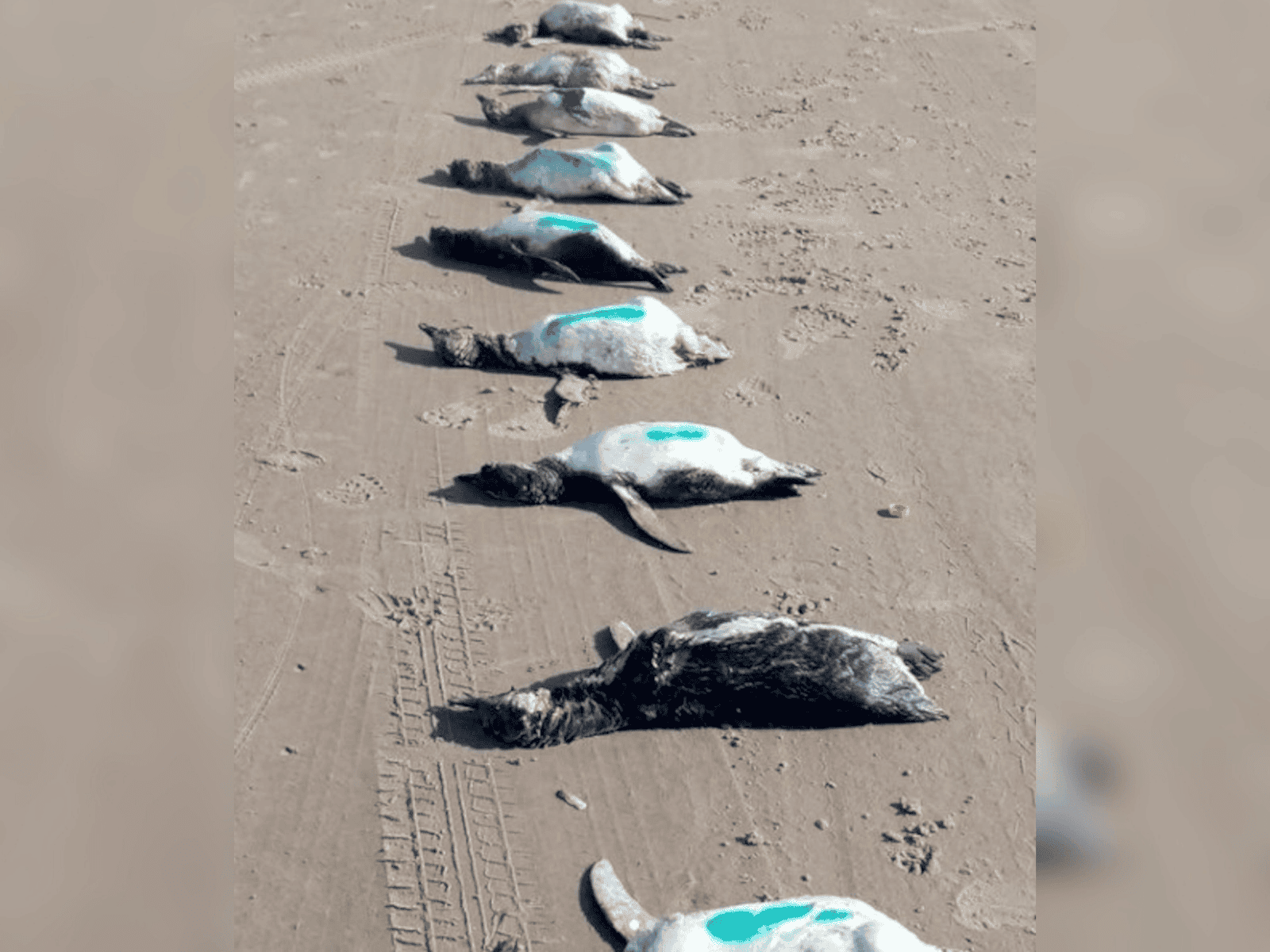
The study is titled "High mortality of adult African penguins (Spheniscus demersus) in South Africa since 2004 likely caused by starvation" and was conducted by scientists from the University of Exeter in the UK and the Department of Forestry, Fisheries and the Environment of South Africa.
I would like to immediately draw attention to this: even though the study was released in 2025, the data is presented on the mass death of penguins from 2004 to 2011. This shows how colossal a gap in our knowledge we are witnessing! Research — it's very expensive and difficult, and to understand many things, it can take up to dozens of long years. But at the same time, the destruction of nature occurs at such an alarming rate that no science can keep up!
Since 2011, naturally, the extinction of penguins has increased manifold. At the very least, we've discussed mass die-offs in recent years where the scales shocked all relevant specialists.
So, according to the conducted research now published by scientists, only in South Africa, from 2004 to 2011, about 62,000 adult African penguins died due to severe depletion of fish stocks. This is about 95% of all penguins that began to reproduce in 2004.
The species of penguins mentioned here molt annually, staying on land for up to 21 days, and without adequate fat reserves, survival is impossible.
Only 20 years later, in 2024, African penguins were officially categorized as "on the brink of extinction" by the International Union for Conservation of Nature.
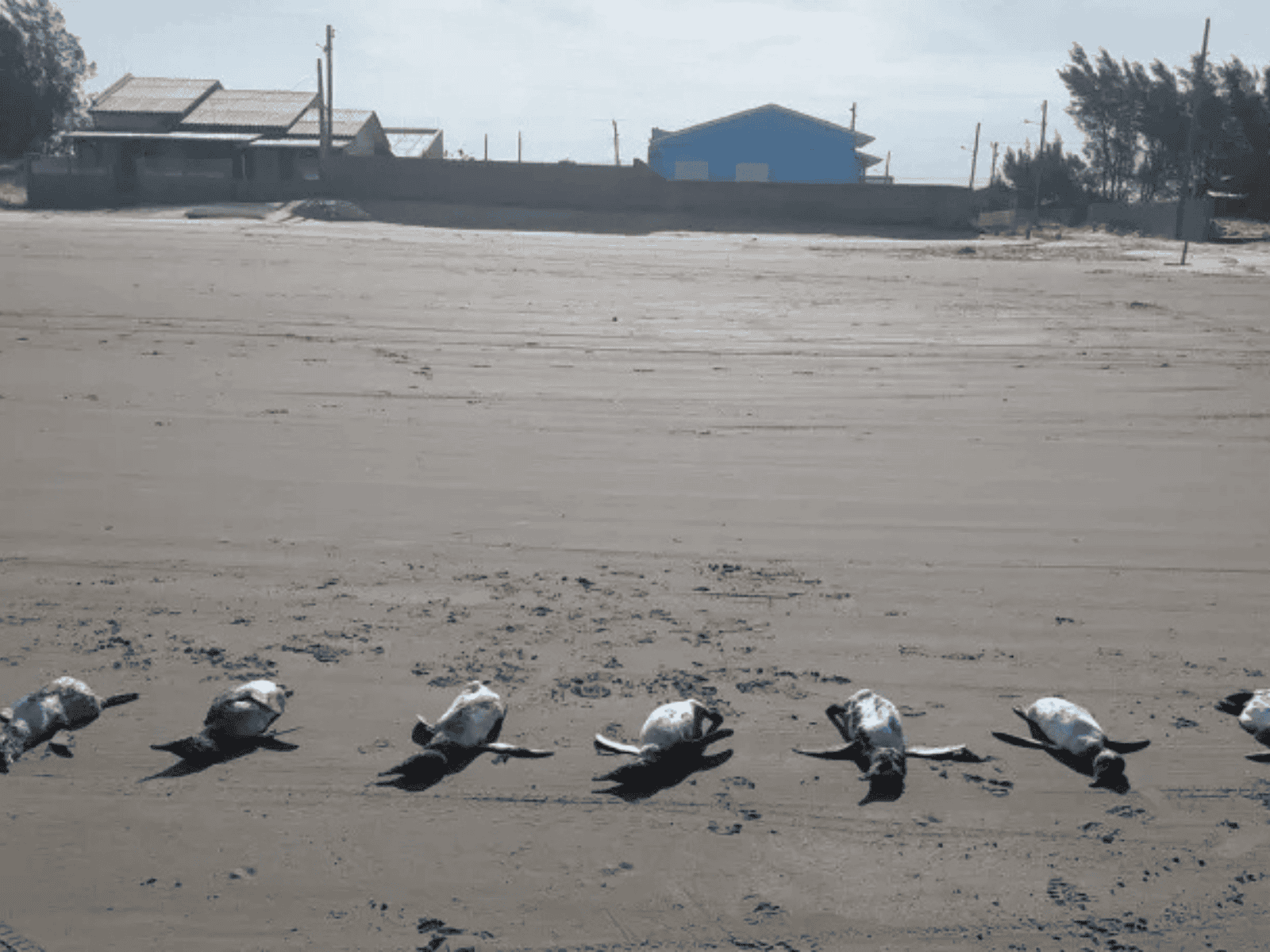
On another continent, this is South America, the situation is completely analogous. Again, I'll recall a case I wrote about earlier — in July 2023, Uruguay, in the midst of winter on the Atlantic coast, more than two thousand dead Magellanic penguins were washed ashore in a very short time. Almost all of them were young birds, meaning this is exactly the healthy gene pool of the population! And at that time, the head of the Department of Wildlife declared that 90% of them were "young individuals without fat reserves and with empty stomachs".
So the reason for the mass death is the same — young penguins couldn't accumulate fat for wintering and simply died in the ocean, after which their bodies covered the shore. Other indirect reasons voiced by various experts were not confirmed! I mean cases of the "bird flu" disease or major oil spills.
Returning to the scientific work. Generally, it's very good when there is fresh objective data, and bad at the same time that science lags significantly behind schedule. How to eliminate this "gap" — I don't understand, but it's clearly very, very serious! We're just losing any control and understanding of the real scale of the problems: while old data is being studied, in attempts to understand "past problems," they are already crossing all red lines up to the complete extinction of species.
So, the authors of this current research note that the events described in the study are not isolated but reflect a general trend with all penguins in the world. Specifically, the population of the species studied in the waters of South Africa, Spheniscus demersus, has decreased by more than 80% over 30 years — this is a catastrophe. Literally, this species of penguins is surviving with the last of its strength, we only have 20% left, and nothing is changing for the better!

Simple mathematics: how many years will it take for penguins to be completely extinct if 80% have died out of 100% in 30 years? Calculate it. And add to this figure the accelerating pressure on ecosystems, the destruction of wildlife, the shrinking of other interrelated species!
Are we not definitely on the brink of an abyss? Is it still possible to stop and try to save animal species from complete extinction?
One would like to believe in this, of course, but how, when here in 2025 a scientific work for the period 2004-2011 is released, lagging behind real-time by dozens of years.
Separately, I found and studied data from a very good organization "BirdLife International," they cite the current figure of a 97% crease in the population of the African penguin. According to their data, about 3% remain now — that's it, the brink, the last individuals!
In another scientific article from "Bird Conservation International," estimates are given for a 90% reduction in the northern rockhopper penguin population for Gough and Tristan. And from other scientific works, one can roughly assess the situation around, say, Galápagos penguins (Spheniscus mendiculus) — their numbers have fallen by 65% or according to other sources already by about 77%.
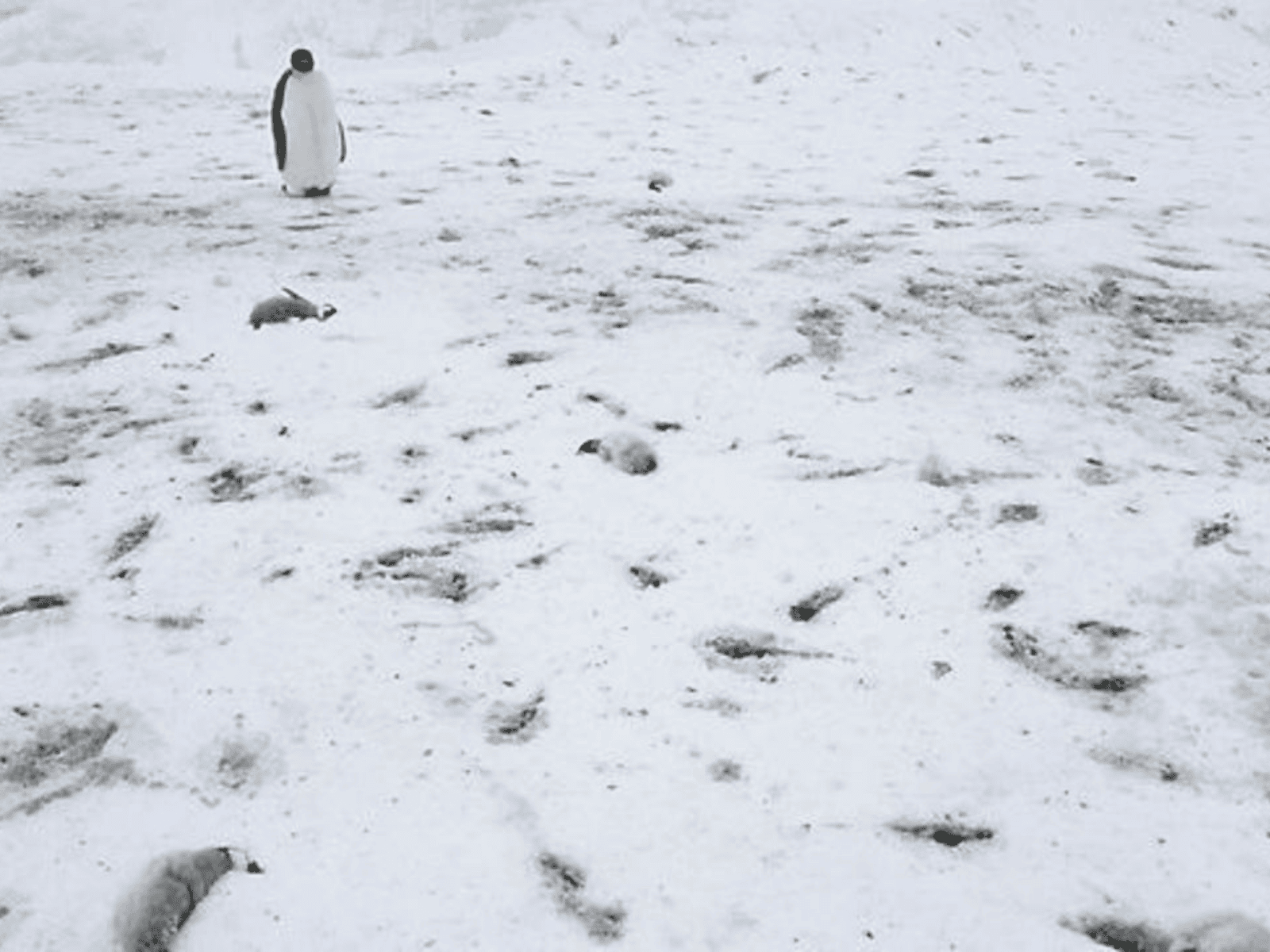
It's also very difficult to assess the scale here since the habitat range of different penguin species is very wide. Most often, studies are conducted locally! For example, the Magellanic penguin on the Falkland Islands decreased in number by 80% over 12 years.
Thus, we see a completely horrifying picture to which no one is paying proper attention! We see the delayed reactions of the scientific community due to the lack of normal funding and motivation, as well as the difficulties of conducting such research.
So when will our planet lose all penguins? How much time is left so that our children can only see them in pictures?
And when we talk about penguins — we talk about entire ecosystems. When one species is gone, all others fall in a cascade, we are witnessing the real-time death of the Earth's biosphere. Due to human indifference and disregard for their own habitat!
© PAVEL PASHKOV
Support the fight!
The hardest thing in our time is to remain independent from government and business! All activities are carried out independently. Stand with us and support our Mission to protect wildlife.
I want to support!Concept of TFET
The world is going through the sixth mass extinction of species; in just the last 50 years, humans have destroyed about 73% of all animals on the planet. We are experiencing a real environmental collapse on a planetary scale. It is urgently necessary to establish Territories of Full Ecological Tranquility (TFET) — we are trying to achieve a complete overhaul of the existing protected areas system.
Learn moreTake action
Take part in our public project to support wintering birds during the frosts — tens of thousands of people have already stood up to protect
Learn moreShare this material!


